Recovery is where the operation becomes a lived result.
The first six weeks are the most important. This guide covers what to expect day by day, how to manage pain and sleep, how to set up your home, and when a normal worry becomes something to call about.
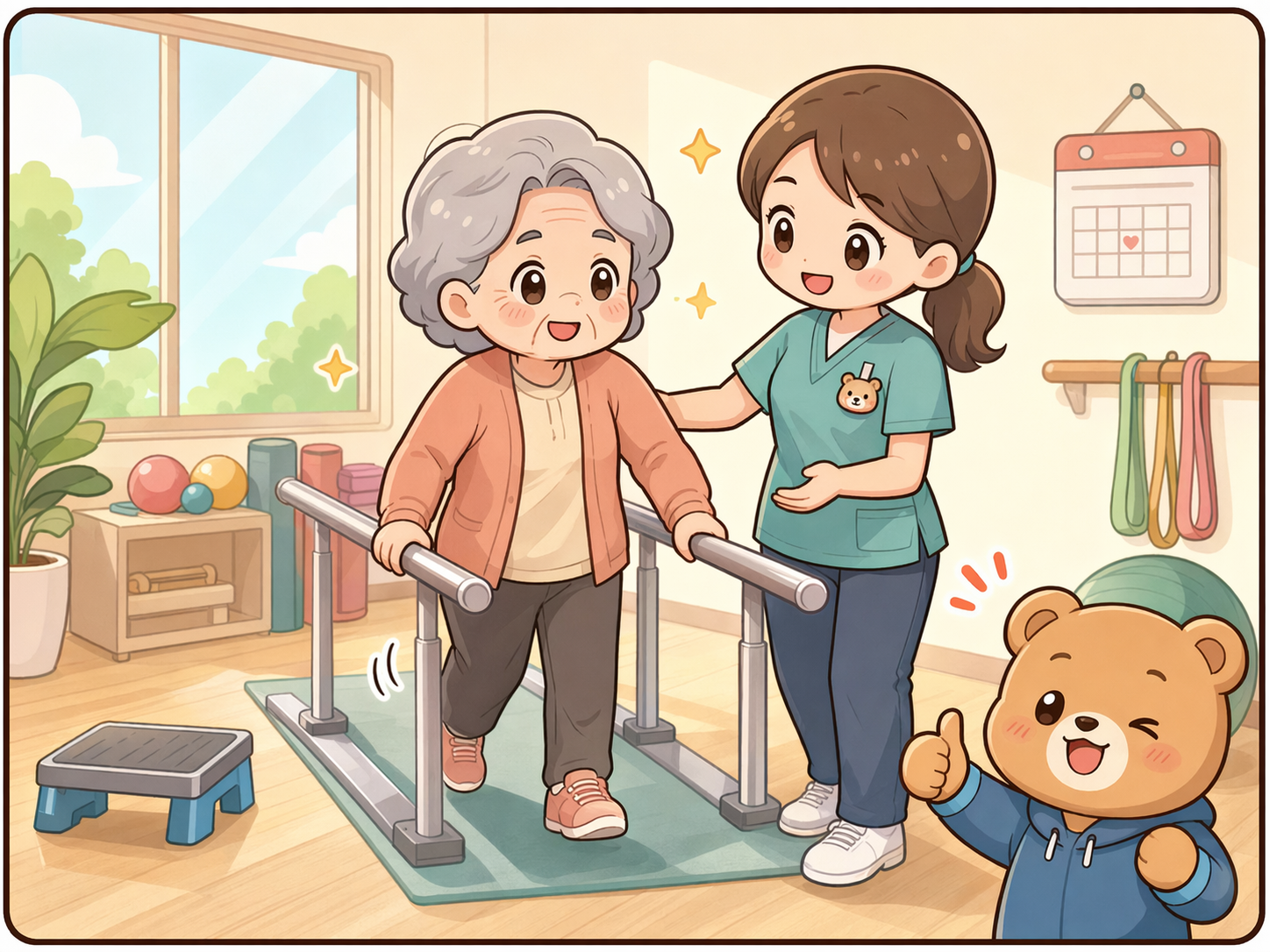
What to expect and when
Days 0–3: In hospital
Surgery day to discharge
Day 0: Wake in recovery. Pain controlled by drip or injections. Ice packs reduce swelling. You'll be drowsy but can sip water.
Day 1: Sit up, stand with a frame, take a few steps. Blood thinners start. Nurses check the wound and teach deep-breathing exercises.
Day 2: Walk to the bathroom with help. Eat normal food. Physio teaches bed exercises and how to get in and out of bed safely.
Day 3: Walk further along the corridor. Practice stairs if going home. Wound checked, discharge paperwork done. Most people go home today.
Weeks 1–2: Home life
The adjustment period
Swelling: Peaks around day 5, then slowly drops. Elevate the leg when sitting. Ankle pumps every hour help fluid drain.
Pain: Usually worst at night and first thing in the morning. Take medication before pain gets severe — don't try to "tough it out."
Sleep: Broken sleep is completely normal. Try side-sleeping with a pillow between your knees. Afternoon naps are helpful, not lazy.
Wound: Keep dry for 48 hours. Shower with a waterproof dressing. Watch for redness spreading outward from the scar.
Weeks 3–6: Building strength
Gaining independence
Walking: Most people drop the walker and use a cane, then walk unaided. Aim for 10–15 minutes twice daily. Increase distance gradually.
Exercises: Continue the physio sheet. Add gentle resistance bands. Heel slides, straight-leg raises, and standing knee bends are key.
Driving: Usually possible at 4–6 weeks if you can brake hard and twist to check mirrors. Confirm with your insurance company first.
Work: Desk work may return at 4–6 weeks. Manual labour usually needs 8–12 weeks. Don't rush back early.
Month 3+: The new normal
Long-term habits
Activities: Swimming, cycling, golf, dancing, and hiking are usually fine. Avoid high-impact sports like running or jumping.
Travel: Short flights are fine. For long-haul, walk the aisle every hour. Carry your surgical summary and implant card.
Long-term: The joint keeps improving for 12 months. Annual X-rays check implant position. Most implants last 15–20 years.
The big mistake: Doing too much, too soon, then swelling up and needing to rest for days. Pace yourself. Recovery is a marathon.
Pain, sleep, and mood — what actually helps
Pain control
- • Take medication on a schedule, not only when pain is bad
- • Ice packs for 15 minutes, 3–4 times daily, reduce swelling
- • Elevate the leg above heart level when resting
- • Don't skip doses to "test" the pain — this usually backfires
- • Constipation from painkillers is common — drink water and eat fibre
Sleep tips
- • Take evening pain medication 30 minutes before bed
- • Sleep on your back or side with a pillow between knees
- • A firm mattress or topper prevents sinking into painful positions
- • Keep the room cool — swelling feels worse in heat
- • If you wake at 3am, do ankle pumps and try again
Mood and energy
- • Feeling low in week 2–3 is extremely common and temporary
- • Small daily wins help: a short walk, a shower, a phone call
- • Don't compare your recovery to others — timelines vary widely
- • Ask family to check in daily, even briefly
- • If low mood lasts beyond week 4, mention it at your follow-up
Setting up for a smoother first two weeks
Sleeping
- • Sleep on your back or side with a pillow between knees
- • A firm mattress or mattress topper helps
- • Keep a torch, phone, and medication within arm's reach
- • If stairs are unavoidable, limit to once daily
- • Set up a bedside table for water, snacks, and the remote
Bathroom
- • A raised toilet seat prevents deep bending
- • A shower chair or stool lets you sit while washing
- • Non-slip mats inside and outside the shower
- • A long-handled sponge helps reach feet and back
- • Install grab bars if possible — they make a big difference
Kitchen & living
- • Stock 2 weeks of easy meals: soups, rice, frozen vegetables
- • Keep frequently used items at waist height
- • A reacher tool grabs things from low or high shelves
- • Avoid bending to the floor — use a grabber or ask for help
- • Clear all walkways of cables, rugs, and clutter
Exercises most patients are given
Ankle pumps
Point toes up and down 20 times every hour while awake. Prevents clots and reduces swelling. Start immediately after surgery.
Heel slides
Lie on your back, slowly slide heel toward buttocks, hold 5 seconds. 10 reps, 3 times daily. Restores knee bending.
Straight-leg raise
Tighten thigh muscle, lift leg 15 cm, hold 5 seconds. Builds quadriceps strength. 10 reps, 3 times daily.
Standing knee bends
Hold a counter, bend knee to 90 degrees, hold 5 seconds. Start at week 2. 10 reps, twice daily.
Why exercise matters so much
Scar tissue starts forming within days after surgery. If you don't move, the joint can become stiff and never regain full range. The exercises feel slow and boring, but they are the single most important factor in a good long-term result. Do them even on days you feel tired. Short sessions spread through the day work better than one long session.
Normal vs. worrying — how to tell
Usually normal
- • Mild swelling that comes and goes for 6–8 weeks
- • Aching after physio or a longer walk
- • Skin numbness near the scar (may last months)
- • Clicking or clunking sounds in the new joint
- • Tiredness and low mood in week 2–3
- • Bruising that changes colour and spreads down the leg
- • A small amount of clear fluid from the wound early on
Call your team urgently
- • Fever above 38°C (100.4°F)
- • Wound redness spreading or any pus
- • Severe pain not helped by prescribed medication
- • Calf pain, swelling, or warmth (possible blood clot)
- • Chest pain or shortness of breath
- • Inability to bear weight that suddenly worsens
- • The wound opens or stitches come loose